

 Solar Company
 Suntegrity Solar News
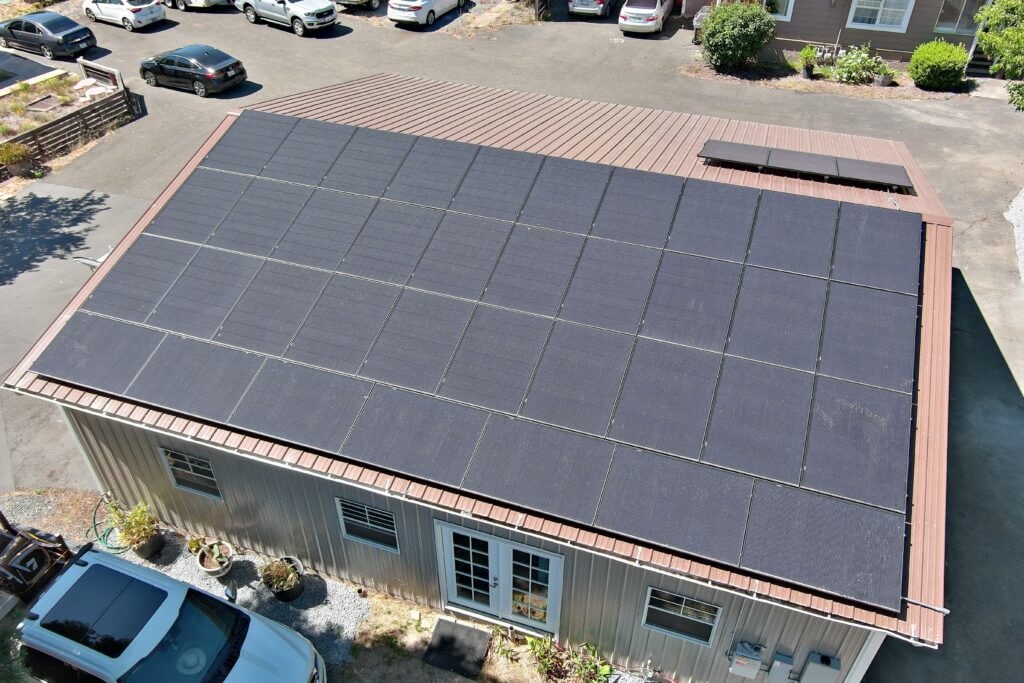
18.4 kW Solar System
We recently installed this 18.4 kW solar system consisting of 40 REC460AA Pure-RX panels and Enphase IQ8X inverters. This was a unique case as the customer had lost the prior solar system to a fire. We installed this new solar system on a metal building. The metal building was challenging as the roofing was thin and the crew had to pay special attention to avoid damaging any of the roofing. We also had to work closely with PG&E as this was originally a NEM2 aggregation system. It took a lot of coordination with PG&E to ensure the customer maintained the NEM2 aggregation grandfathering, but we did it! If you’re facing a similar rebuild or considering solar for a metal roof, get in touch for a quote.
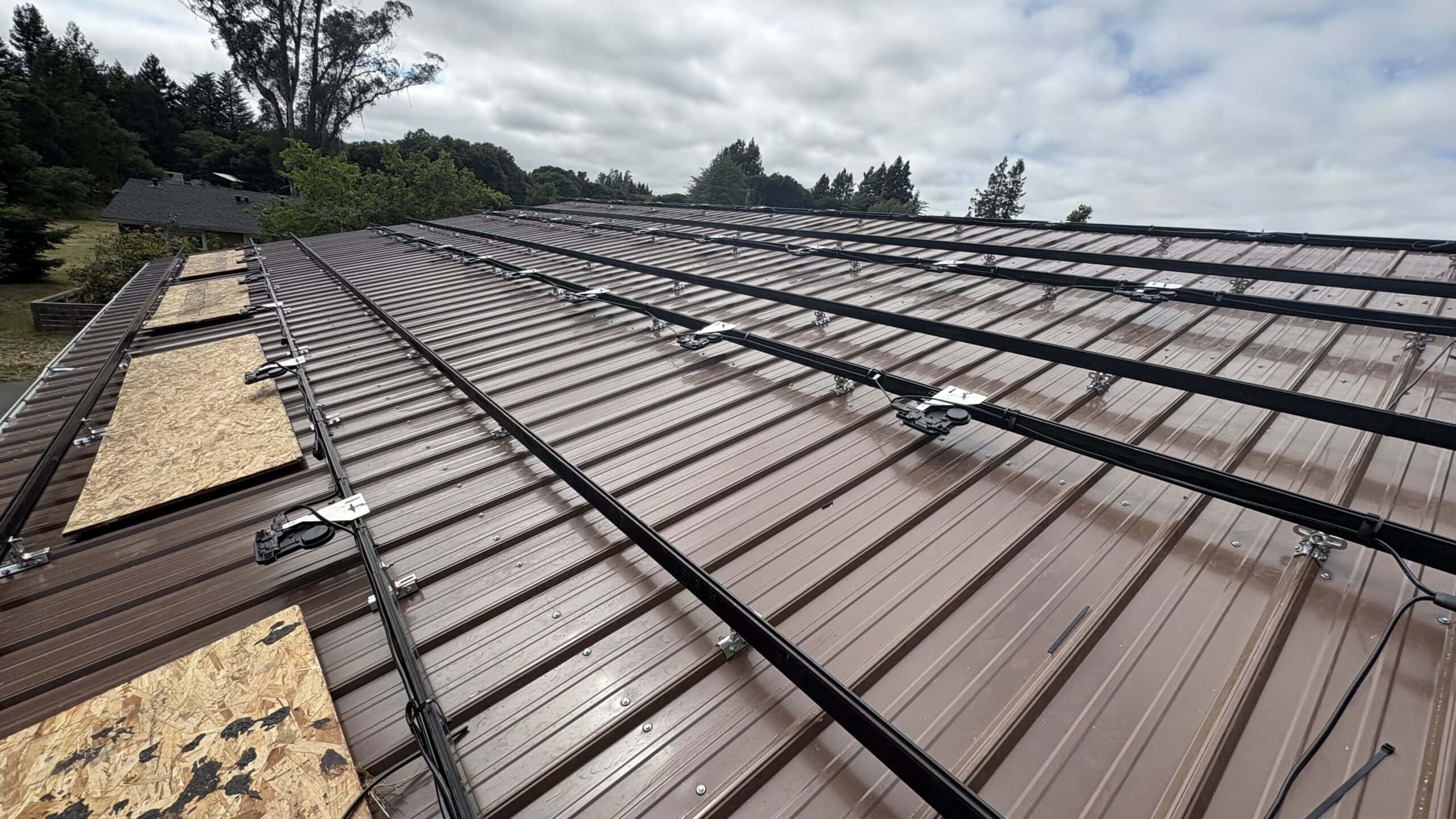
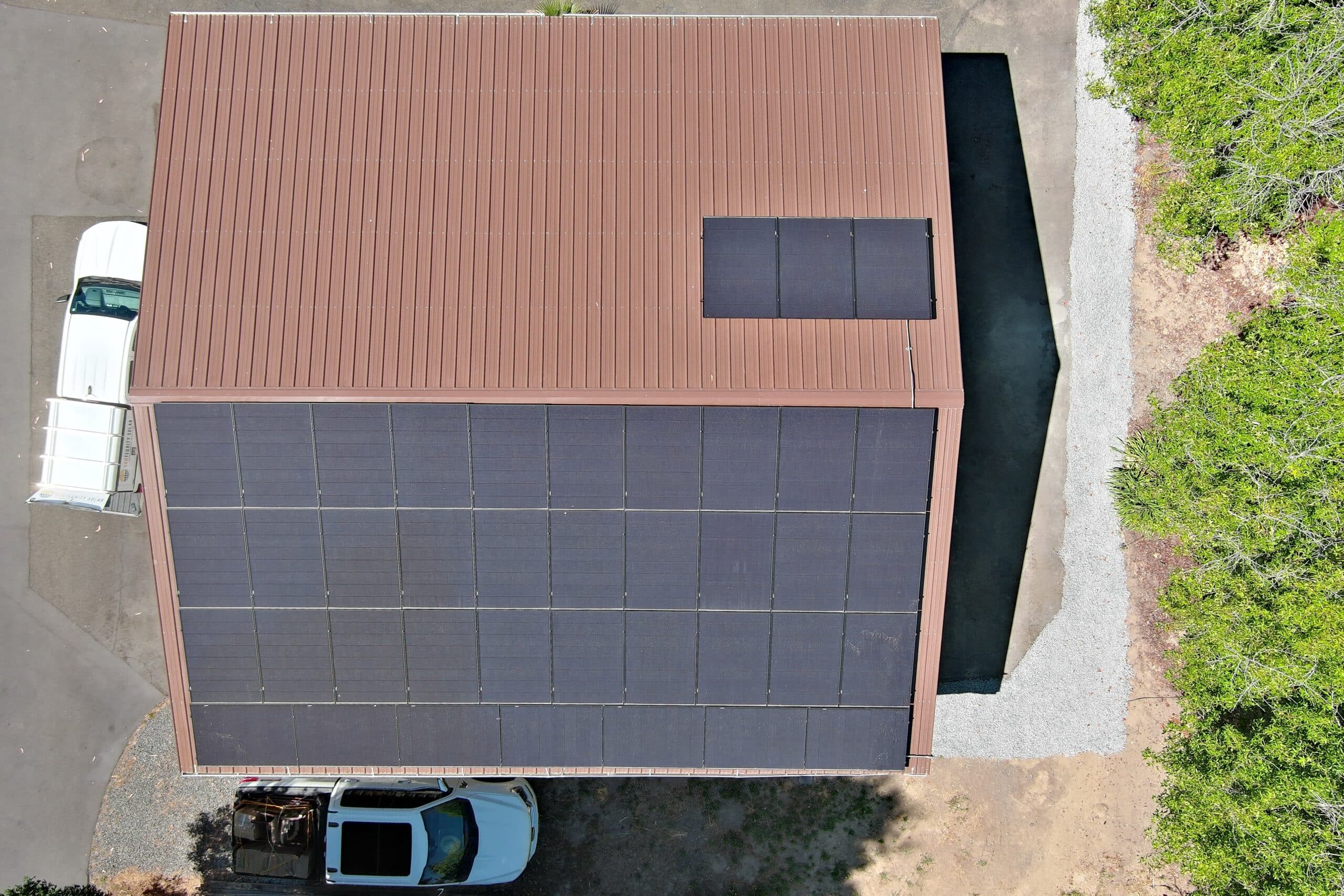
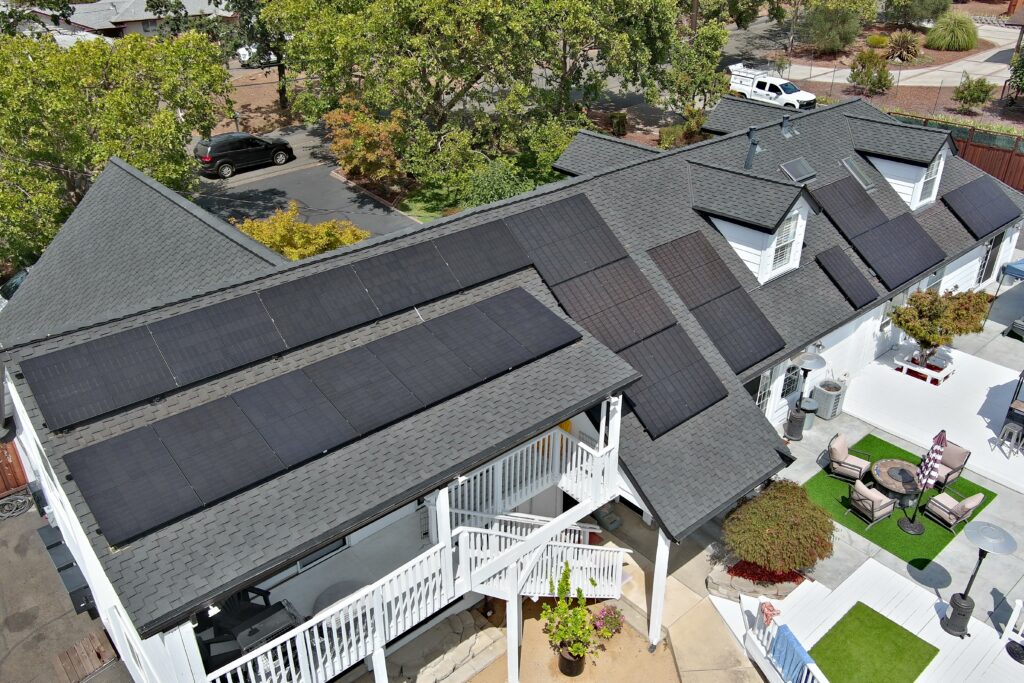
13.6 kW DC Solar with 30 kWhr Backup Battery System
Santa Rosa, CA
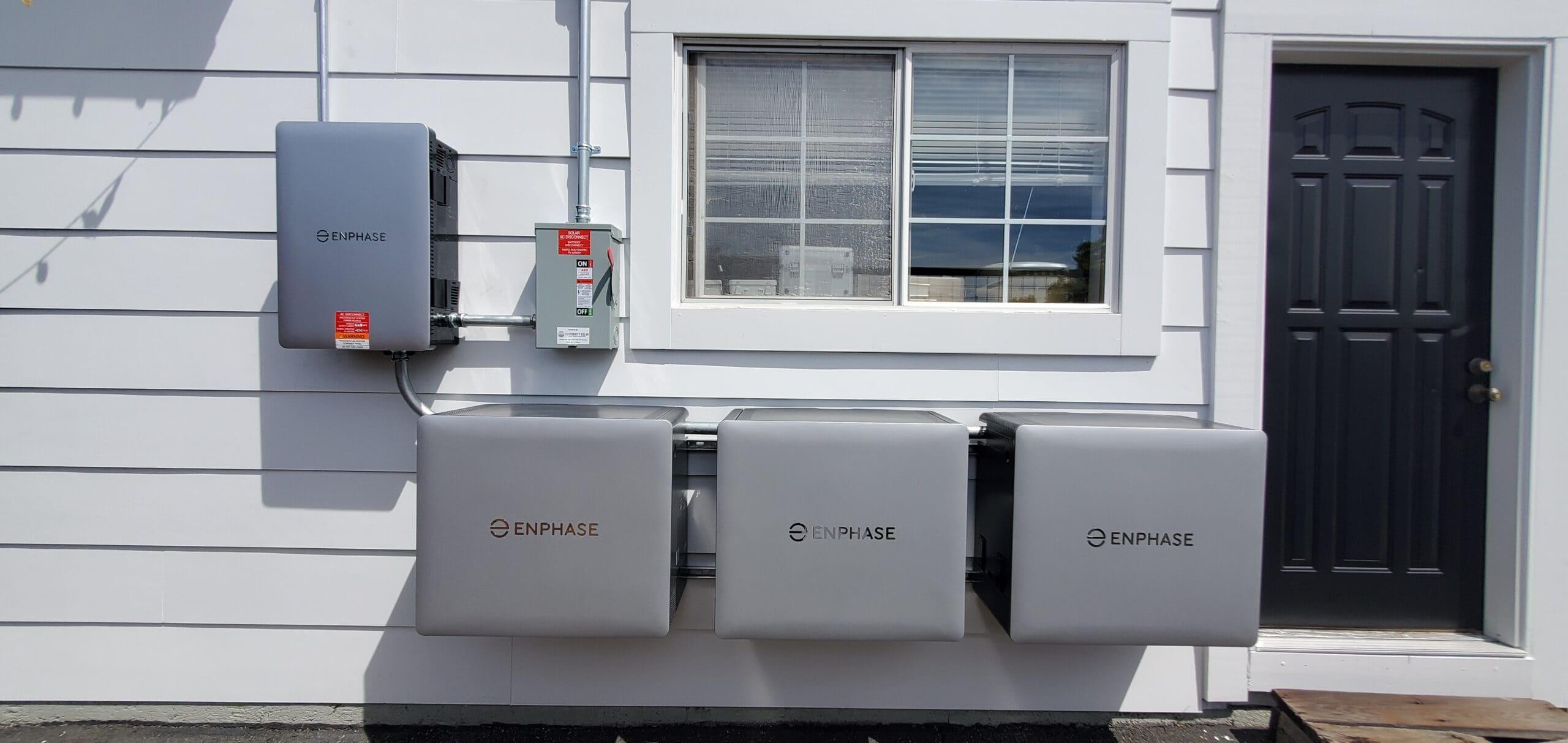
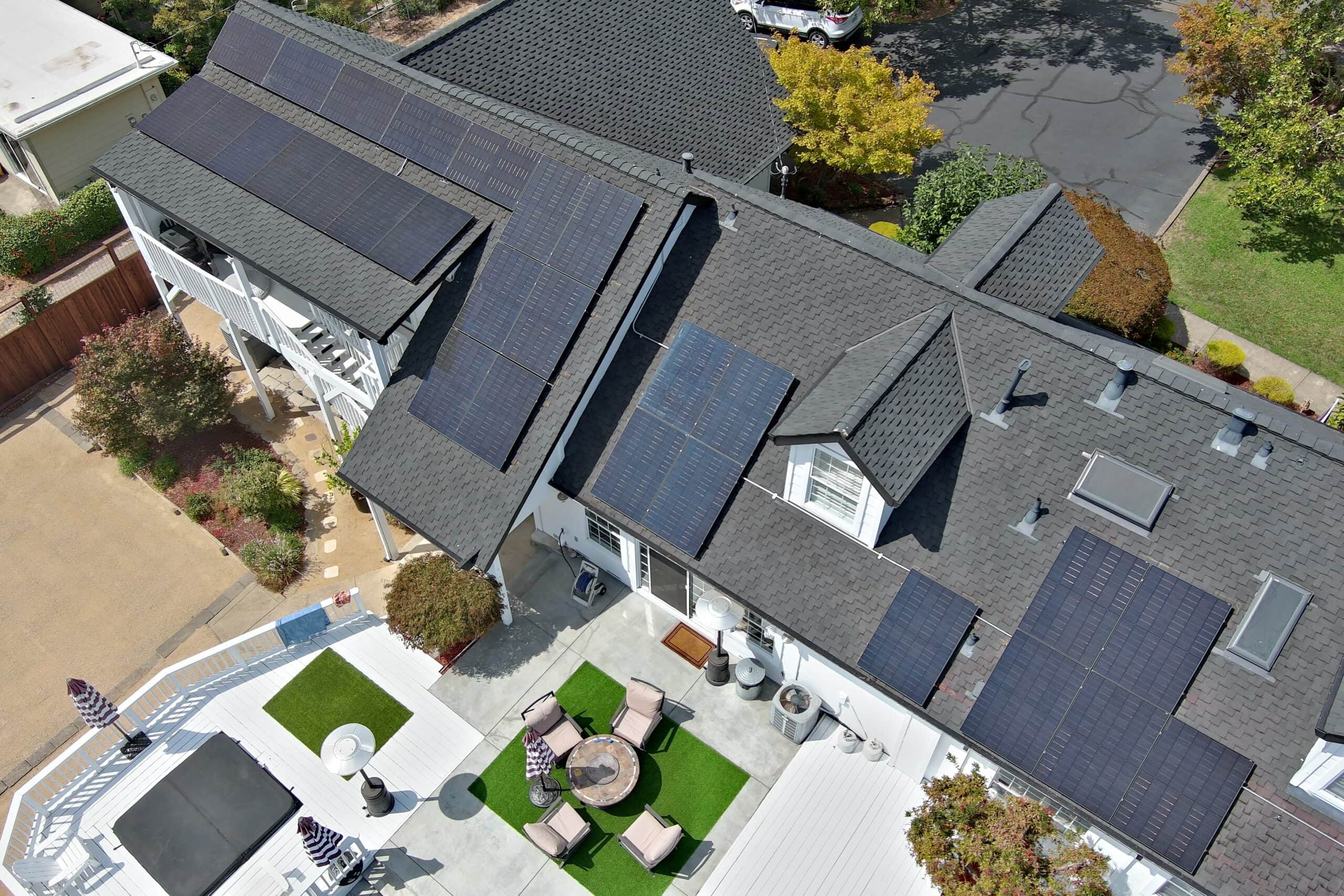
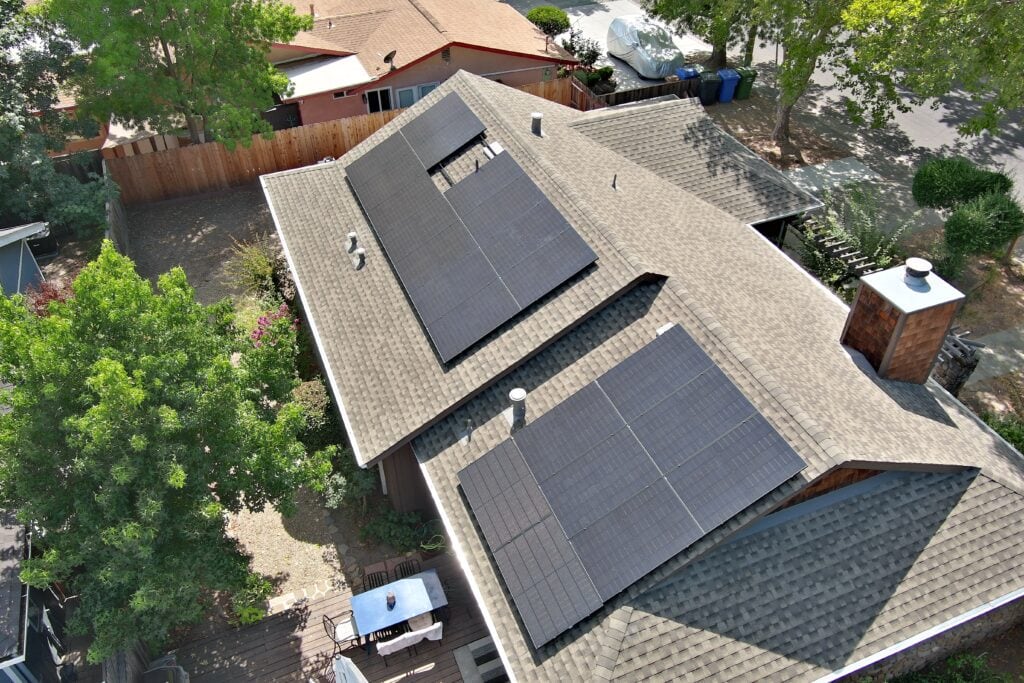
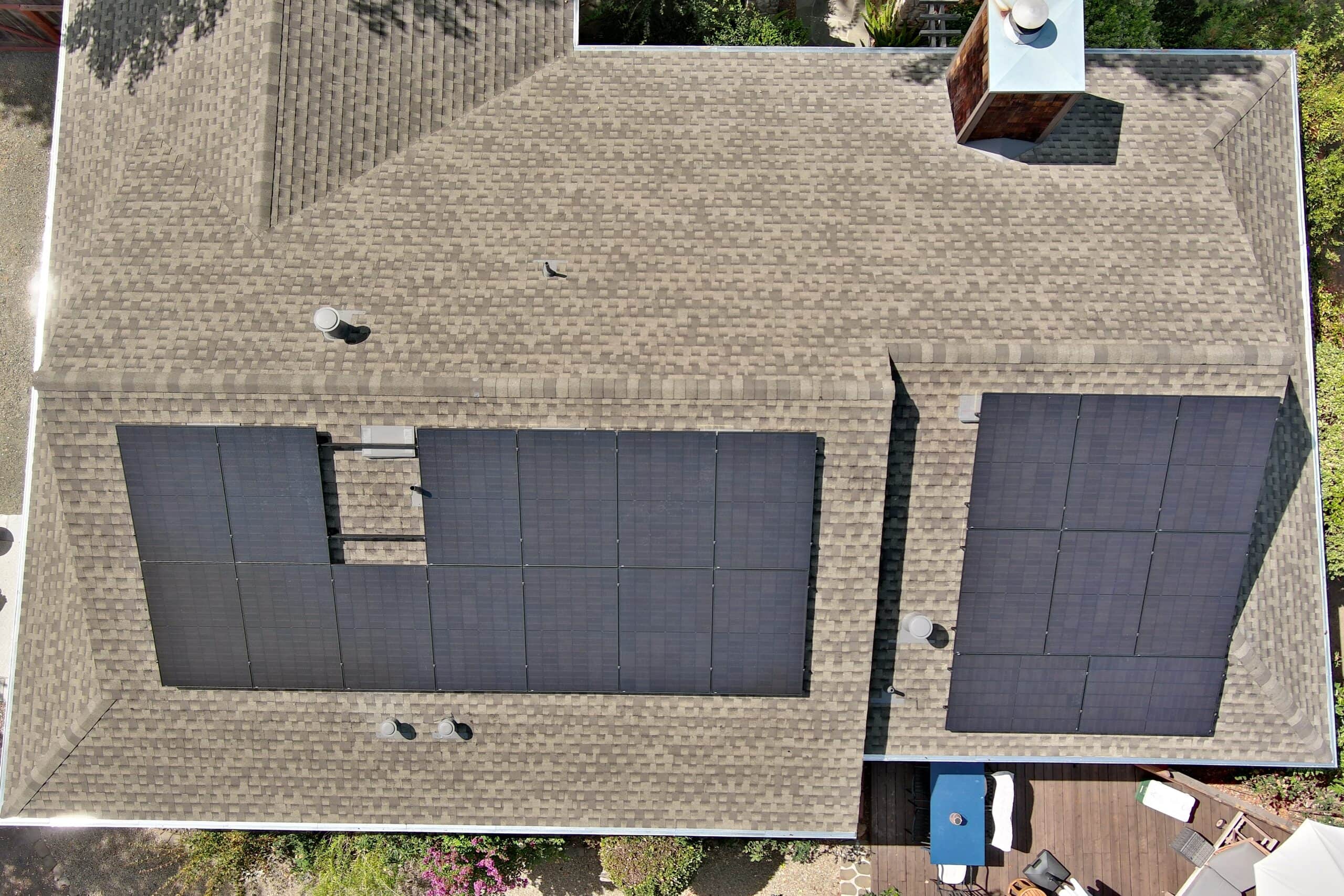
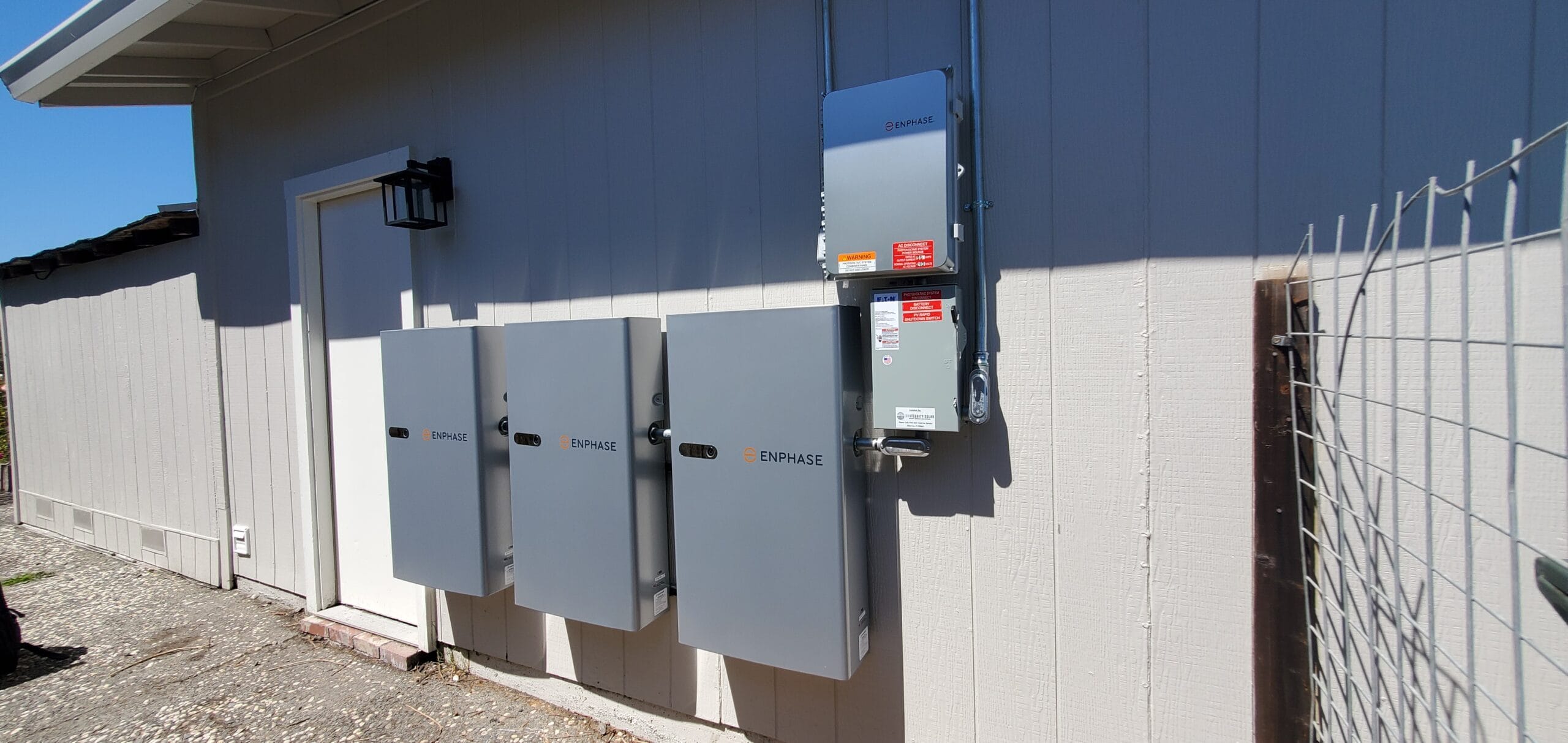
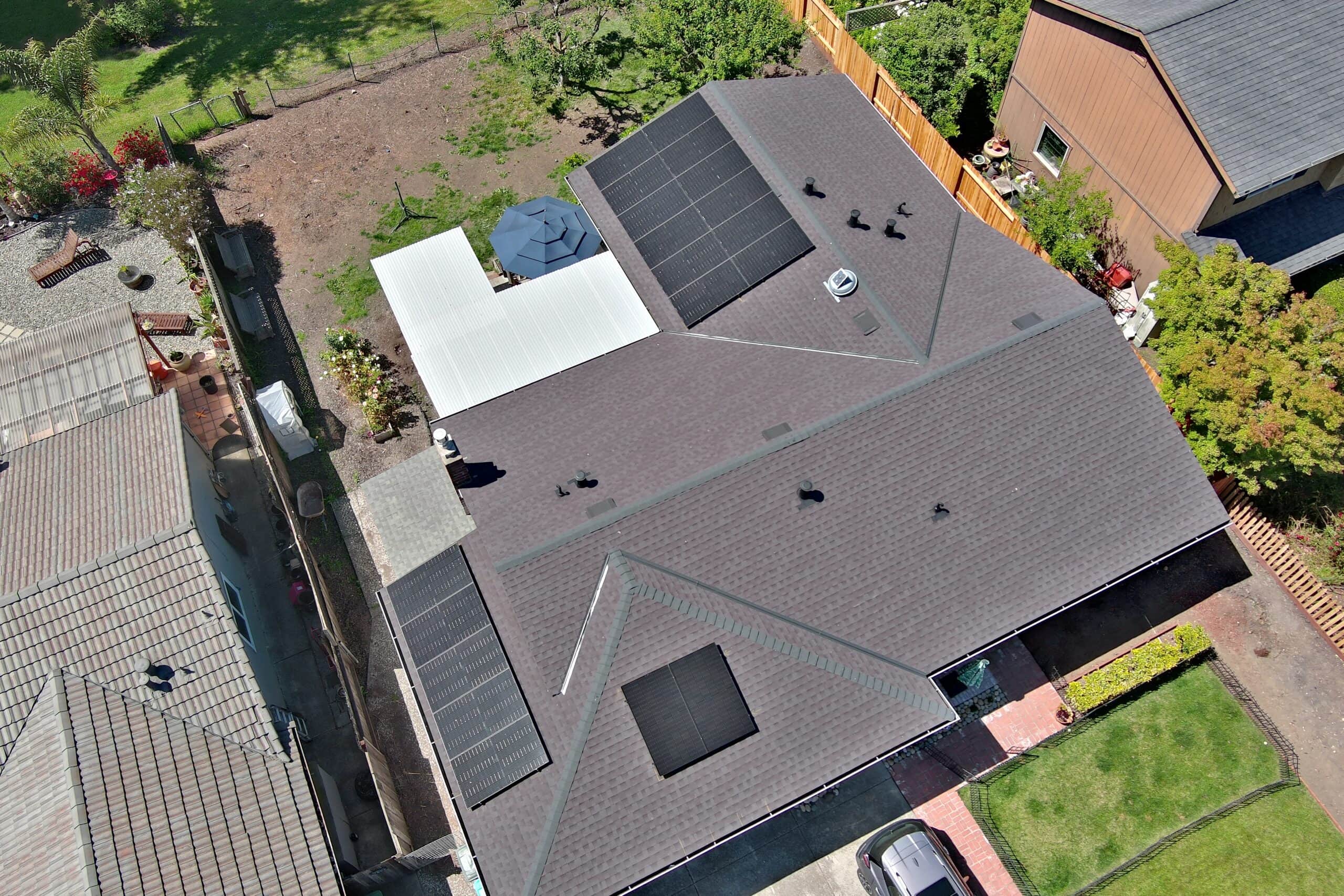
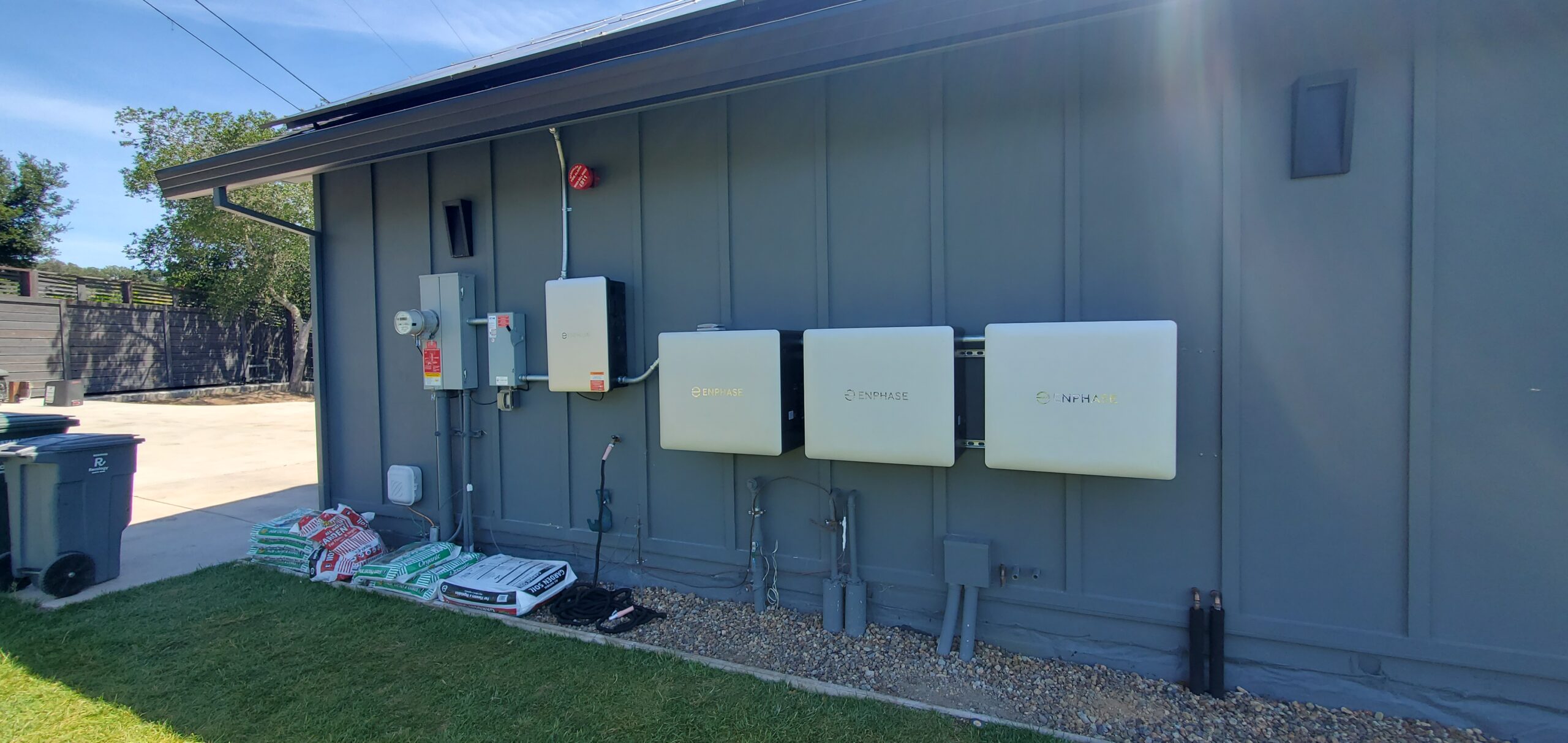
We originally installed this homeowner’s system 18 years ago. Their usage increased and they wanted to add battery backup. Instead of adding batteries to a nearly 20 year old system, it made more sense to install a new system with batteries that is optimized for the NEM3 (Solar Billing Tariff) program. Solar layout was optimized to work with complicated roof structure and setback requirements. This system has 31 Silfab 440W panels, Enphase IQ8HC inverters and 3 Enphase IQ10C batteries with the Enphase 6C Combiner using the IQ meter collar backup switch. Homeowner also took advantage of a Pre-paid PPA to capture significant savings. Here is more info on Pre-Paid PPA: https://suntegritysolar.com/solar-news/what-is-tpo-and-how-does-it-impact-tax-credits/
9.2 kW Solar with 20 kWhr Backup Battery System
Calistoga, CA
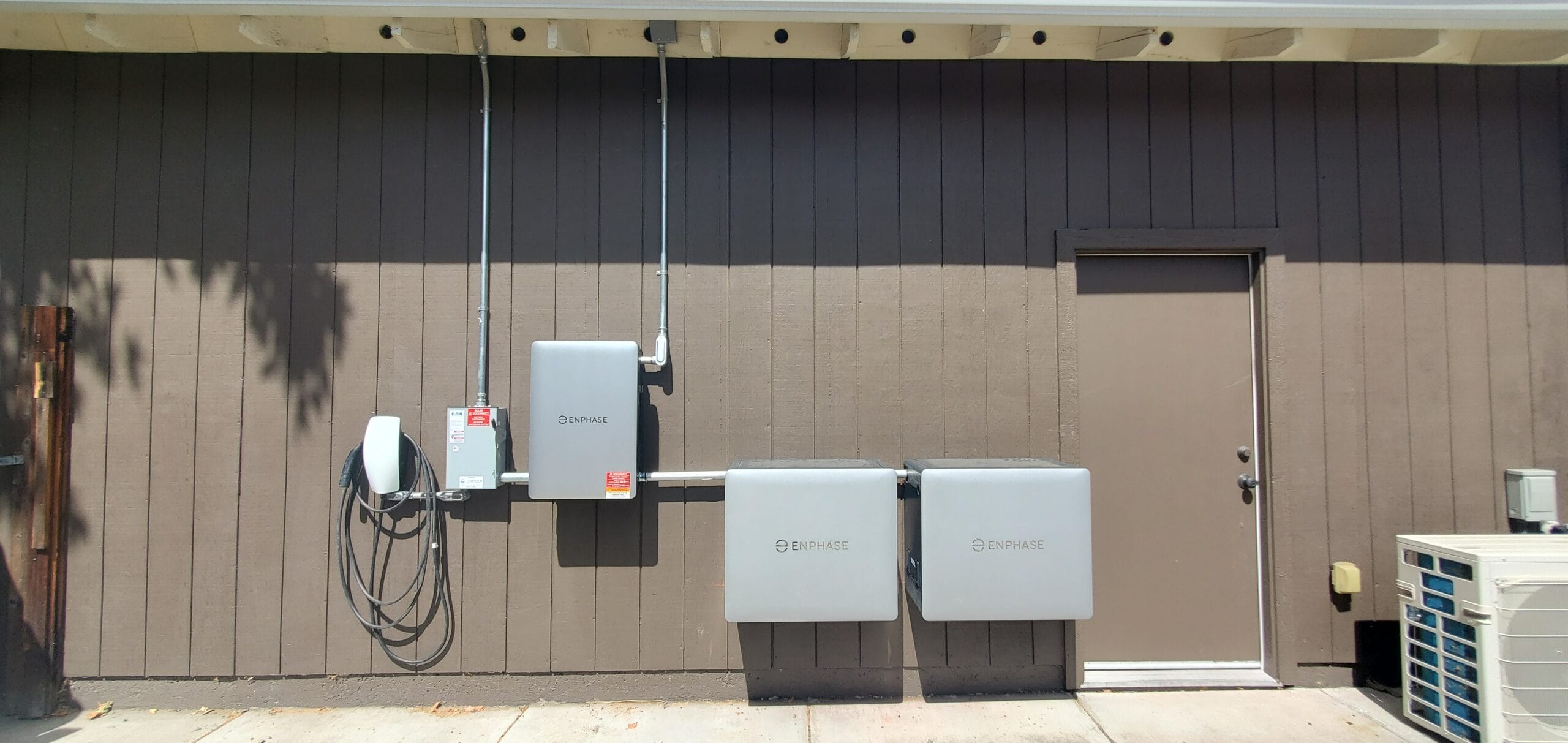
Recently installed this nice 21 panel system with Silfab 440W solar panels and Enphase IQ8 series microinverters. Coupled with 2 Enphase IQ 10C batteries for full home backup. The EV charger is connected to a breaker on the Enphase controller so by default it is not backed up during a power outage to maximize battery runtime. This can be enabled in the app if the EV does need to be charged. Customer also had a several trees around their property and we designed the solar layout to optimize solar access. Customer utilized pre-paid PPA to capture significant additional savings by capturing tax credits. If you are interested in getting a free no pressure quote: https://suntegritysolar.com/free-quote/
4.4 kW DC Solar with 10 kWhr Storage Battery
Santa Rosa, CA
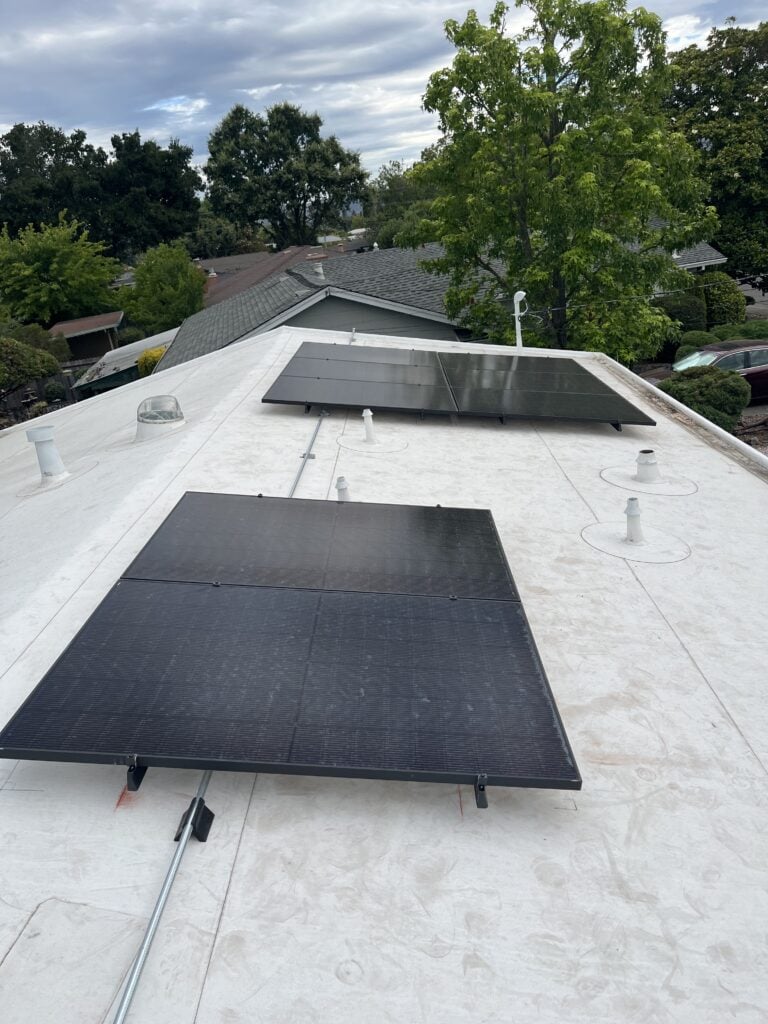
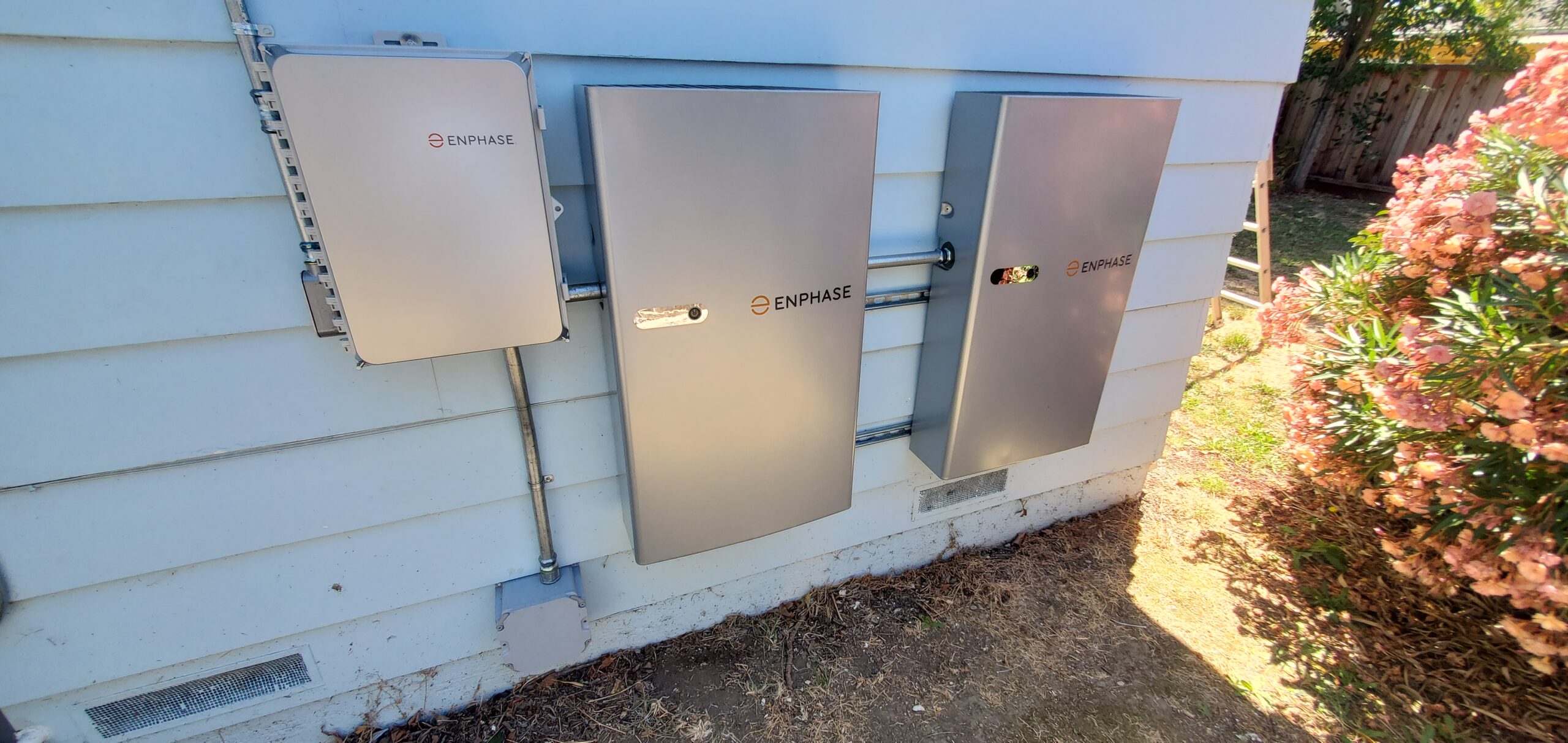
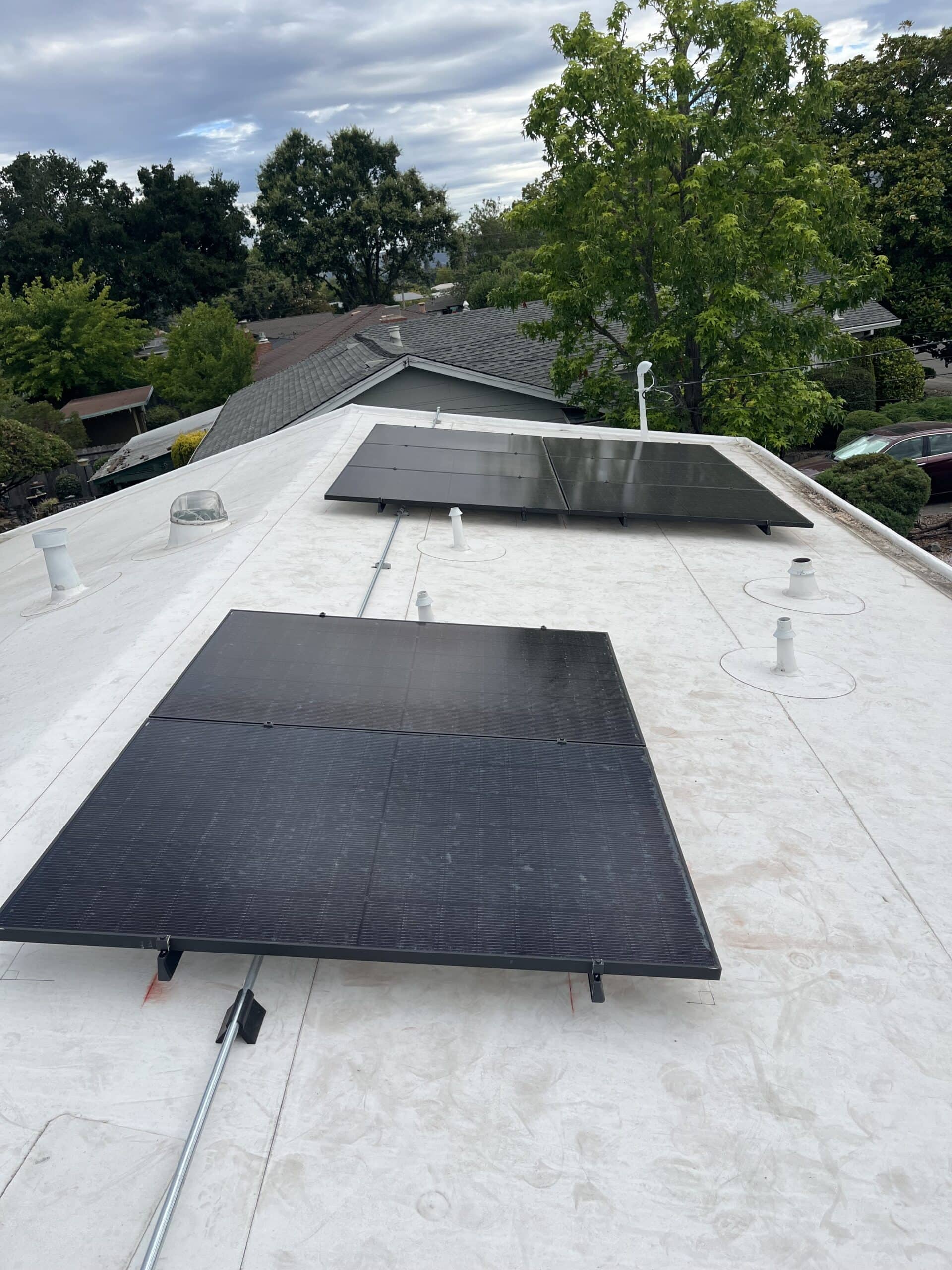
10 Silfab 440W Solar Panels, Enphase IQ8HC Inverters, and 2 Enphase IQ5P batteries for storage designed to minimize PG&E bill. Large solar systems with big backup batteries are impressive, but many customers simply don’t need that much capability. This is a good example of what a smaller solar system looks like. In this case it is also installed on a membrane roof.
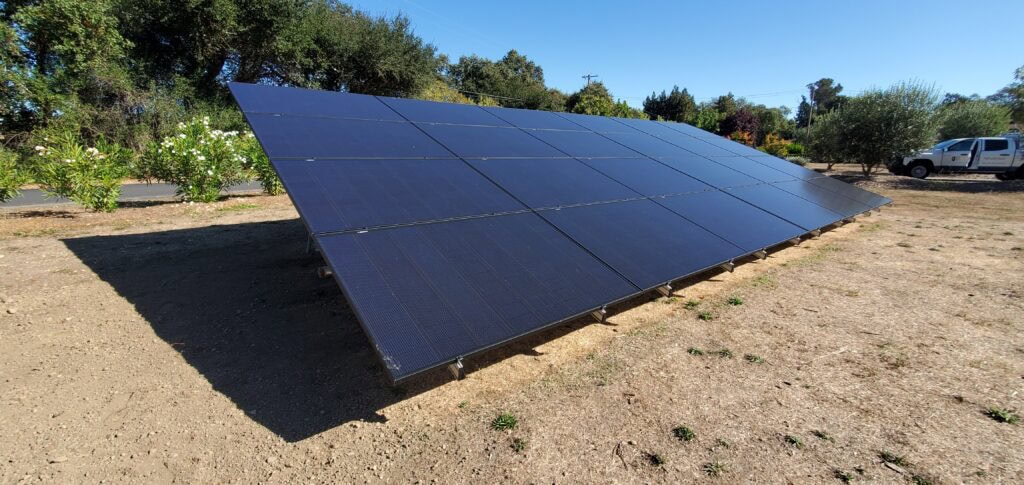
11 kW Ground Mount Solar with 30 kWhr Battery Backup
Napa, CA
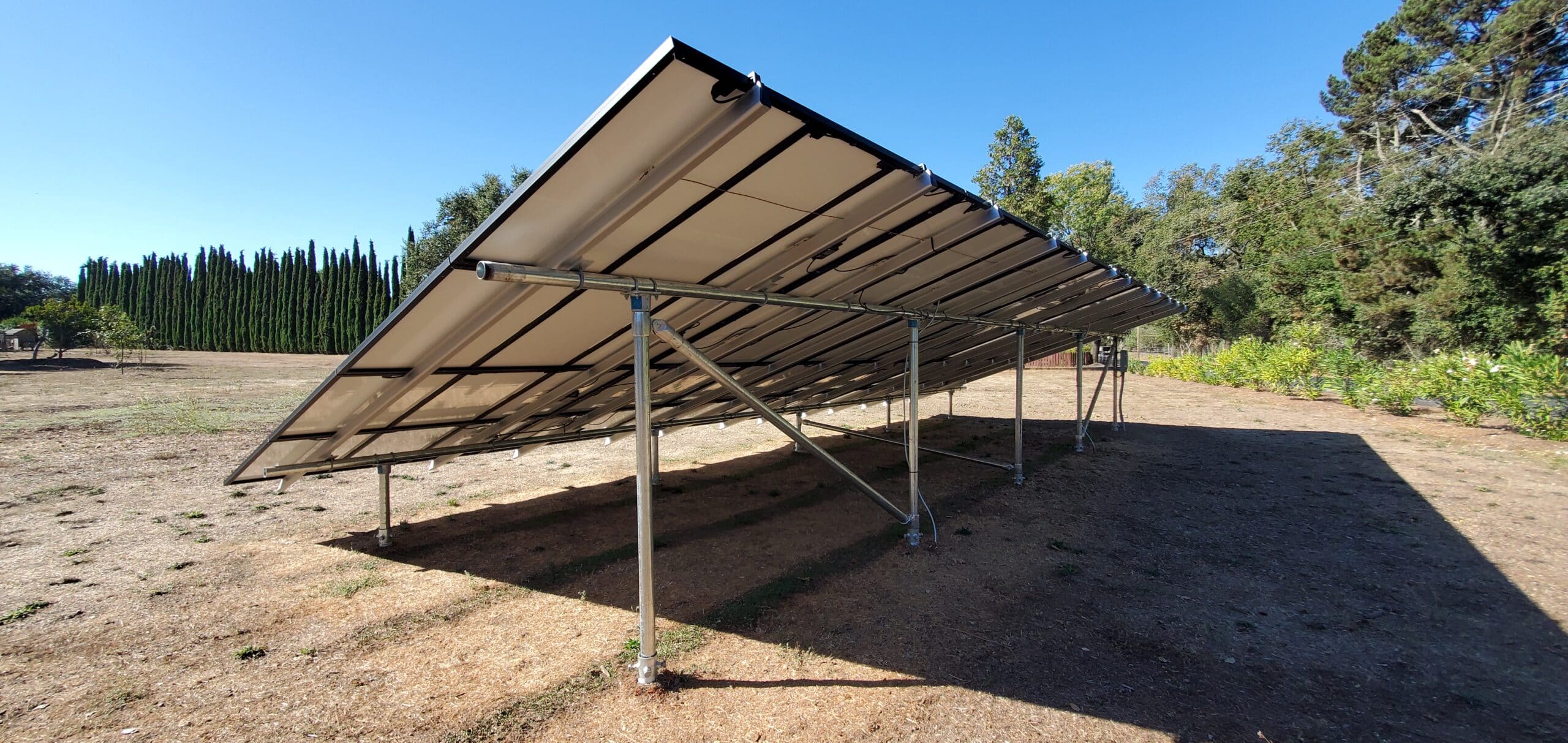
24 REC 460W Panels with 2 Franklin aPower2 batteries with backup power. Franklin system includes ability to plug in a portable 240 VAC generator or even the output from a Ford Lightning power outlet. Ground mount using earth screws – no concrete required!
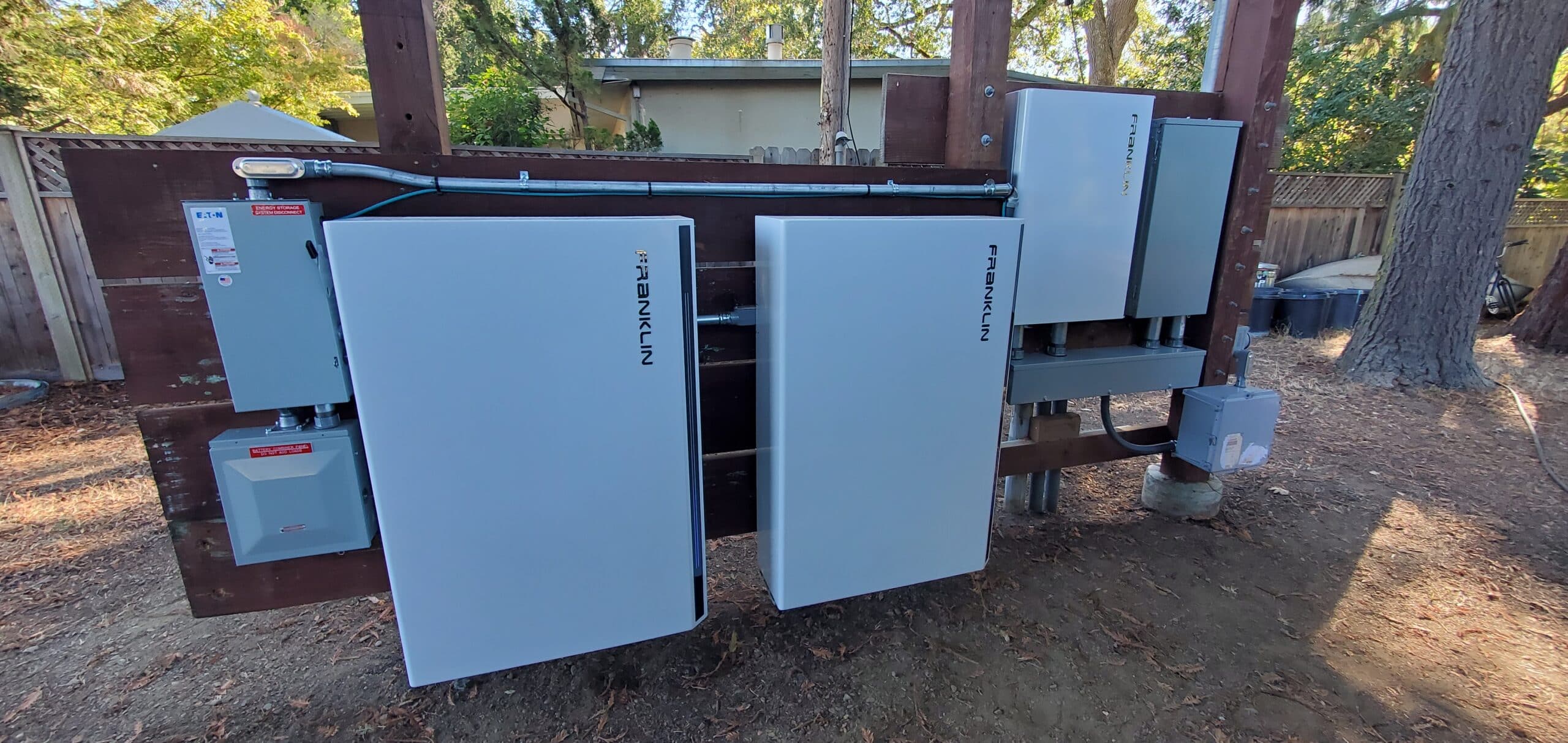
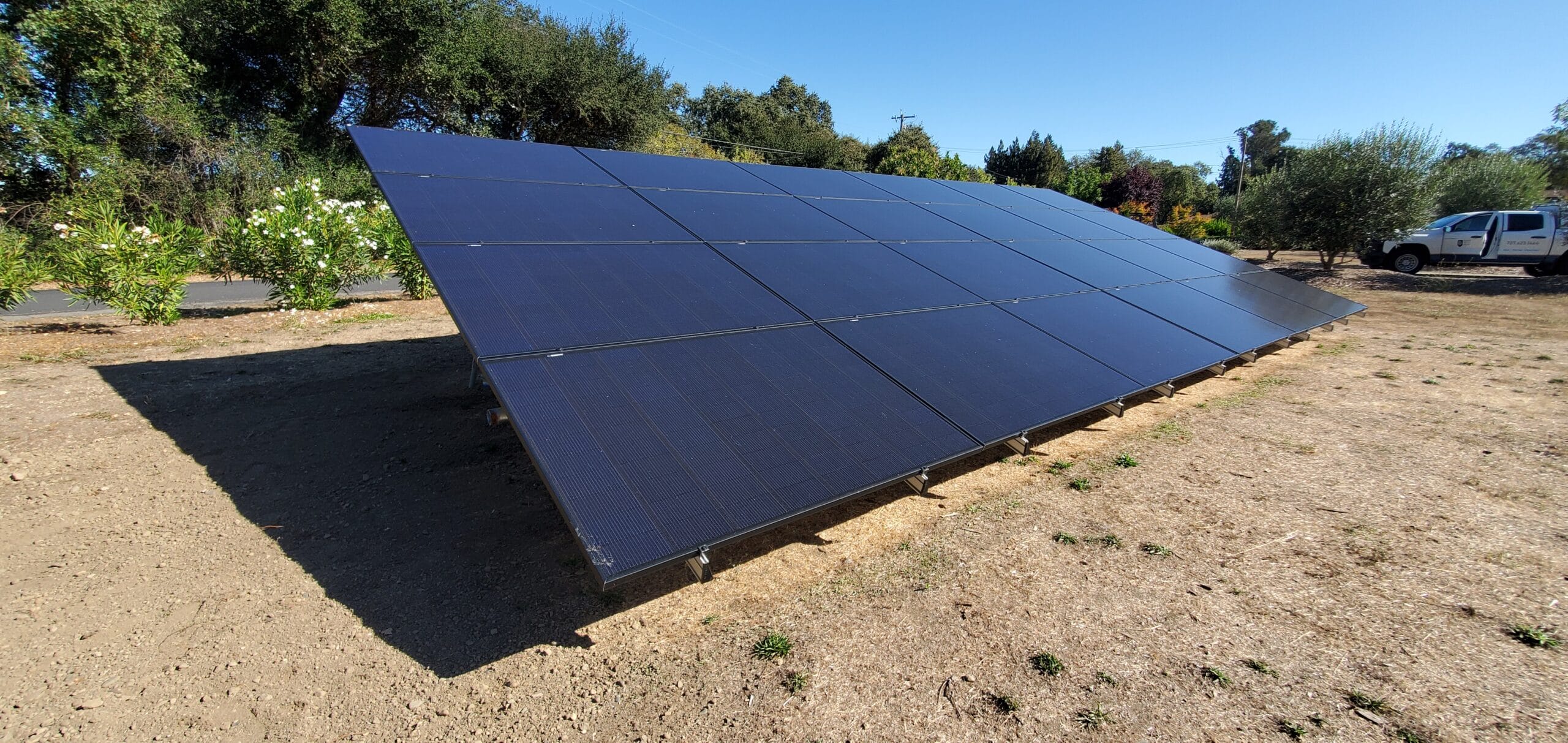
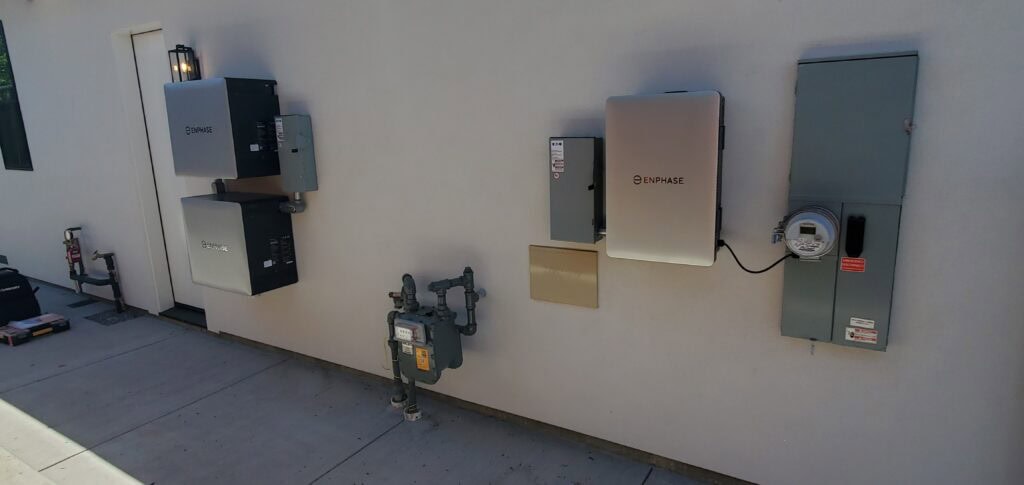
10 kWDC Solar with 20 kWhr Battery, New Construction
Santa Rosa, CA
Full-home backup Enphase energy storage system on new construction, with 20 kWh of storage and a 10 kW solar array, offering a smooth, seamless transition to off‑grid operation during grid outages. We worked closely with the general contractor during the construction phase for clean installation of equipment and wiring. Features Enphase’s load shedding option that turns off the pool breaker during power outages to extend battery life (can be overridden via the Enlighten app).
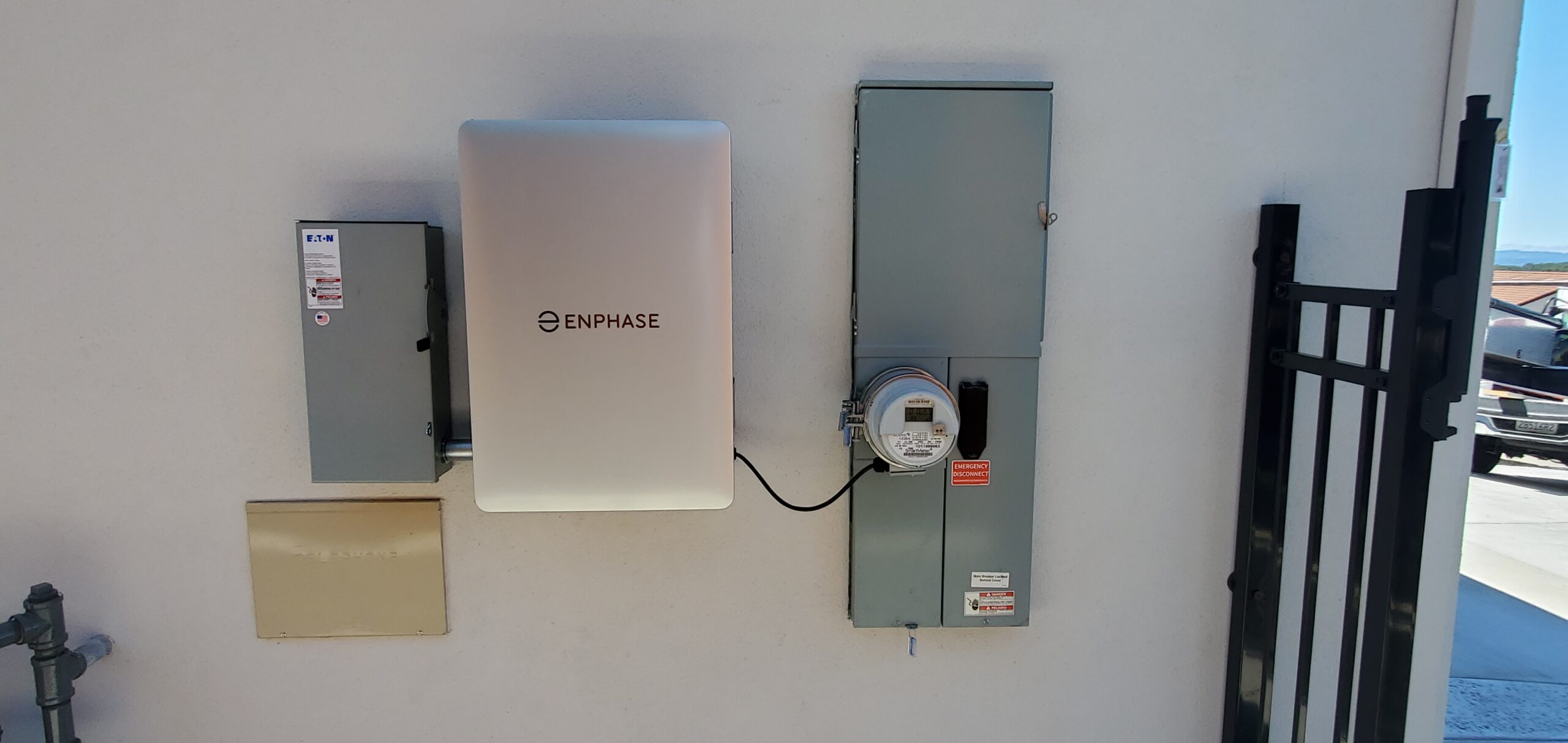
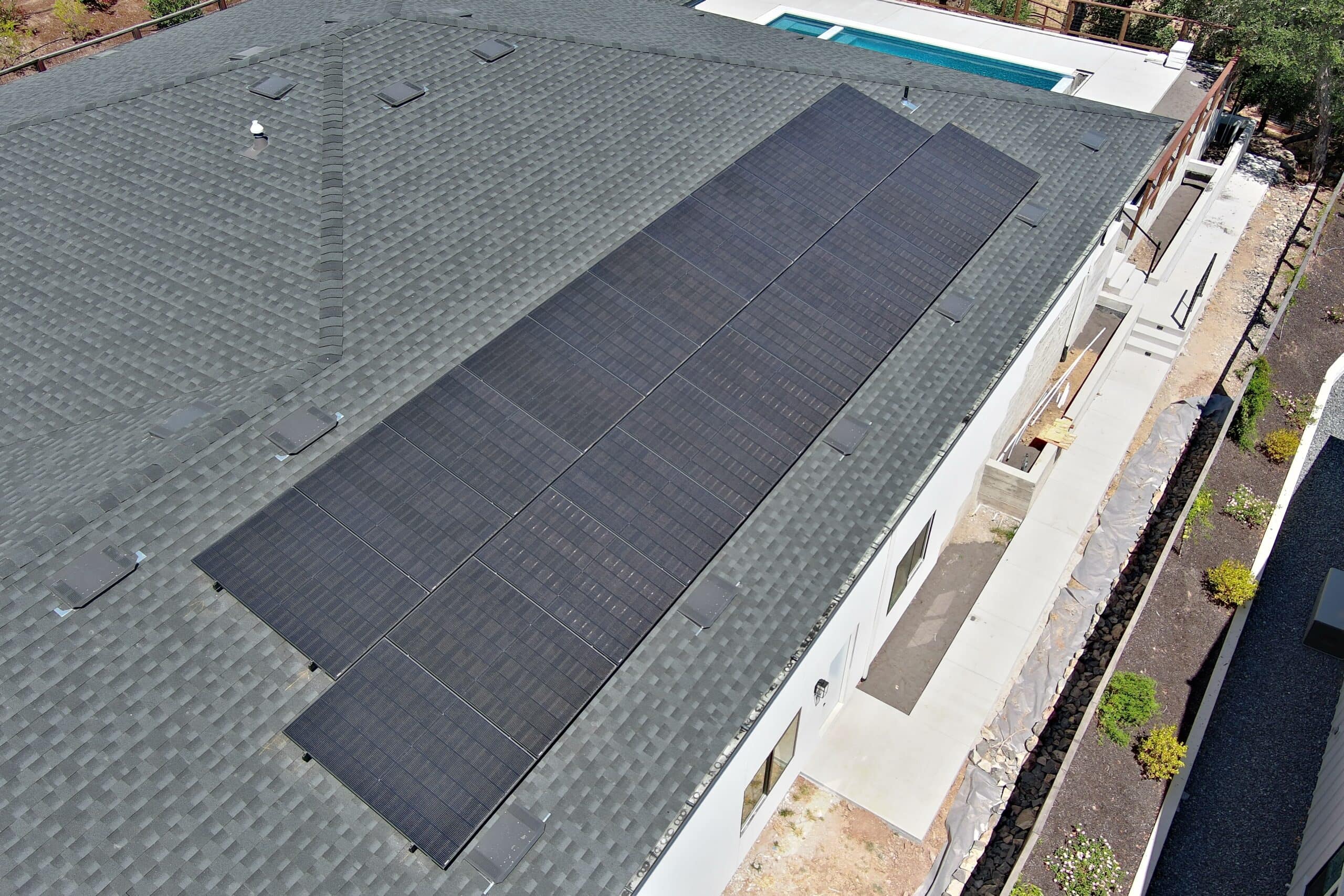
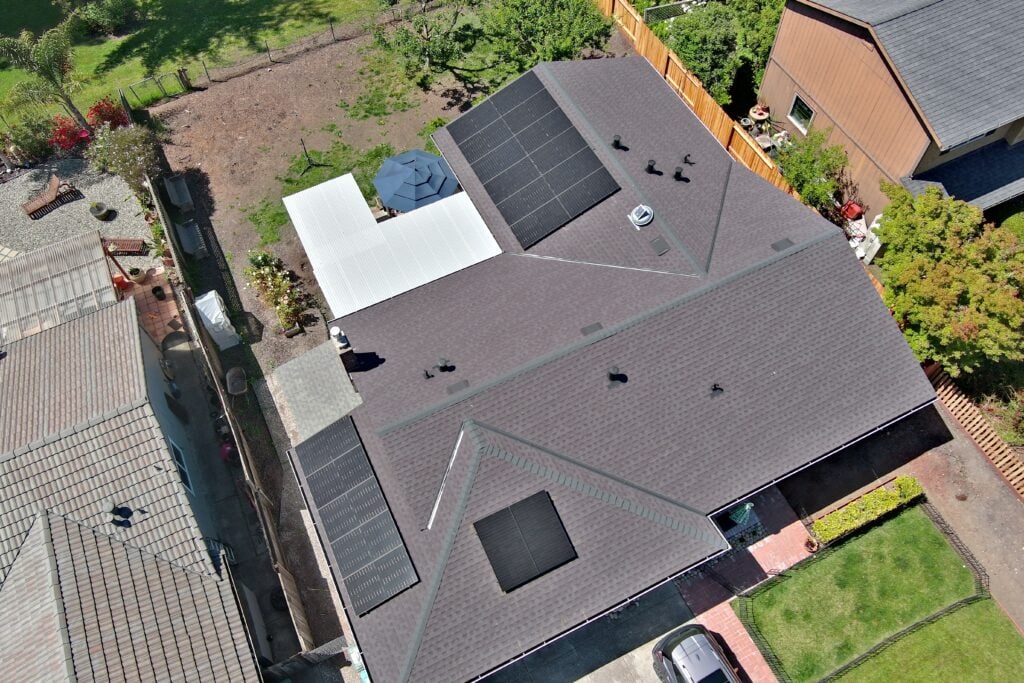
7.8 kW DC Solar with 15 kWhr storage battery
Rohnert Park, CA
Grid-tied solar with 19 roof-mounted Qcell modules and Enphase IQ5P batteries, providing flexible grid-tied storage and peak shaving to reduce demand and utility costs. The primary purpose of batteries with current solar systems under PG&E’s NEM3/NBT (Solar Billing Tariff) is to use energy on site instead of sending it back to PG&E at very low compensation rates. Adding a transfer switch can also enable a battery system to provide power during PG&E outages. However, this adds cost and may not be necessary in areas where power outages are rare. Enphase is unique in that batteries can be configured for storage only without the need for the transfer switch. This customer elected to use this solution as it provided an excellent ROI in an area where outages are rare.
17.2 kW Solar & 30 kWhr Battery system with Backup on NBT
Kenwood, CA.
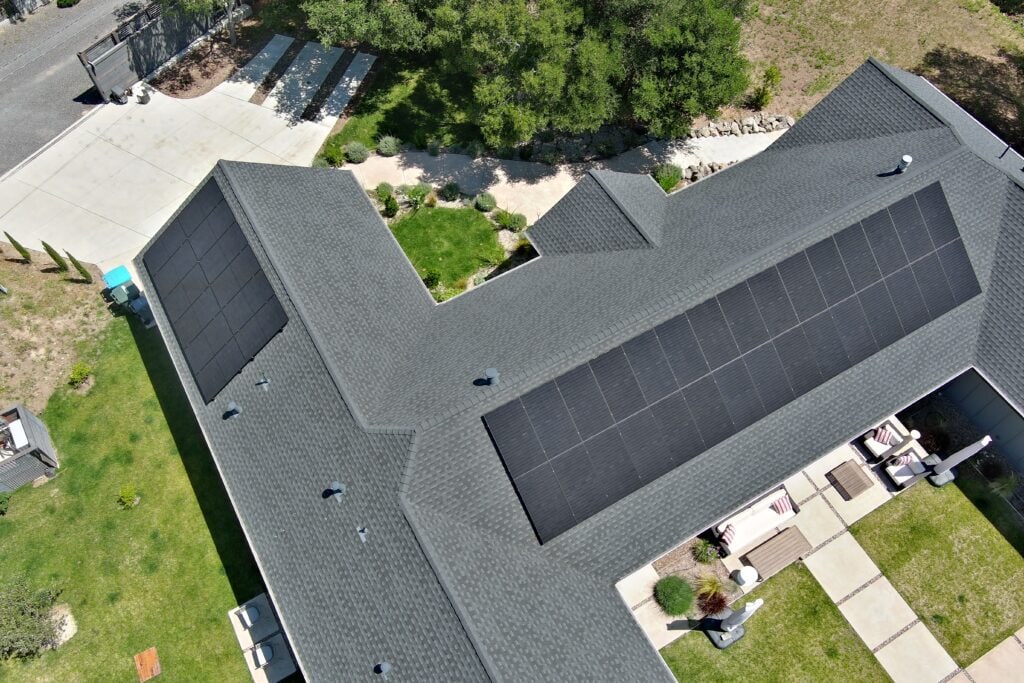
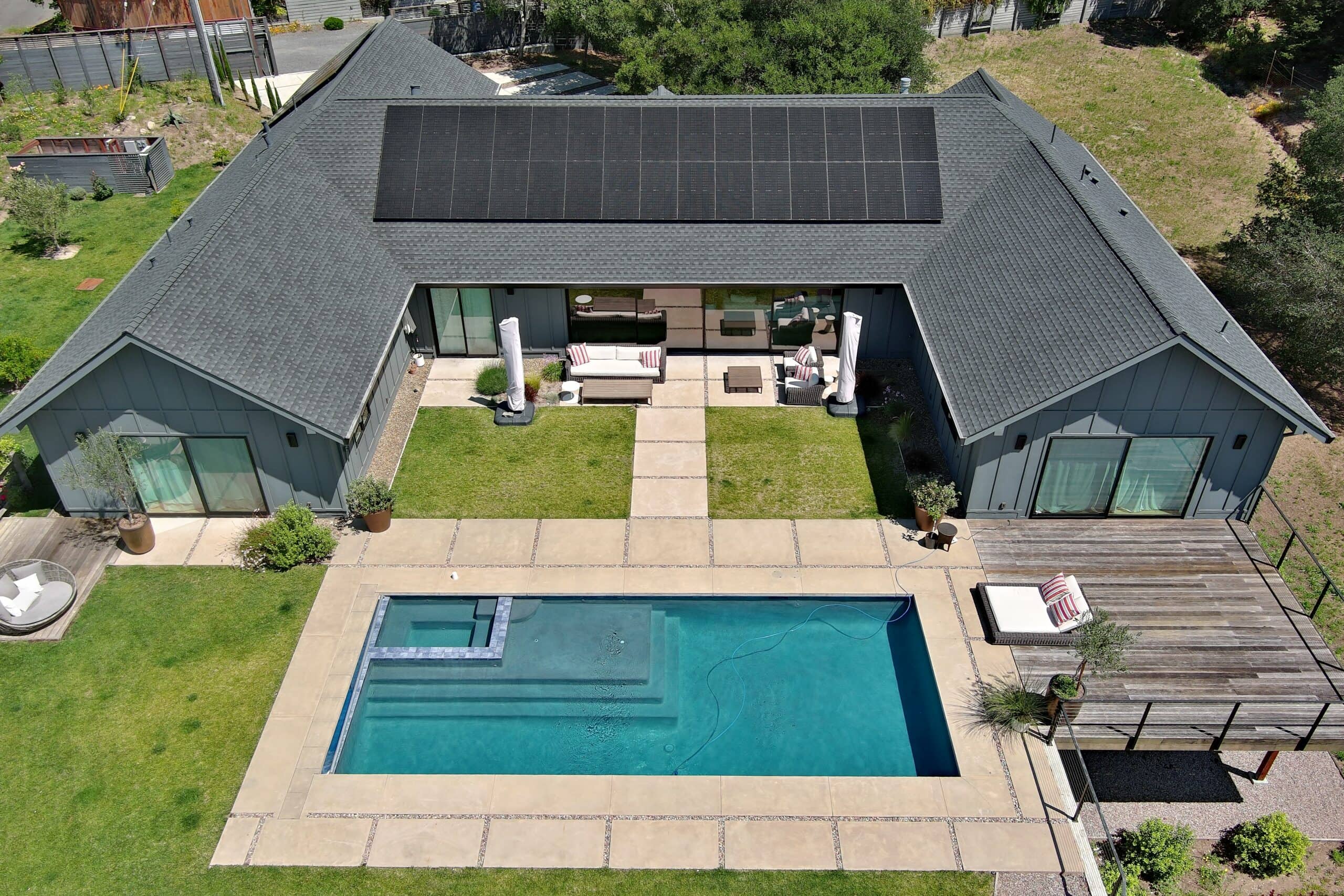
Qcell solar panels. Enphase IQ8 micro inverters. Enphase 10C batteries with 6C combiner and meter collar adapter for whole home backup. Customer also took advantage of pre-paid PPA to capture savings!
What is “TPO” and how does it impact tax credits?
TPO stands for Third Party Ownership and its the best mechanism to capture tax credits on residential installations. The residential tax credit expired at the end of 2025. The commercial tax credit is still available. A residential system can be commercialized per IRS requirements through TPO. TPO allows for capturing of the 30% commercial tax credit and depreciation. Additional tax credits can also be claimed: If the property is in a DOE defined energy community it qualifies for an additional 10%, If equipment used in the installation has a significant amount of content from the US, it can qualify for an additional 10% domestic content adder. The TPO party can then share these benefits to the homeowner via a discount on the overall cost of the solar & battery system that can range from 15 – 35% depending on the provider, equipment used, and location. You also get this discount up front instead of waiting to file your taxes as was required with the residential tax credit.
Most TPO providers will own the system for 5 to 6 years so that the tax credits can be captured. During this period, the homeowner receives the power generated by their solar and battery system. After this period, ownership reverts back to the homeowner with the balance of warranties. Depending on how the TPO provider has structured the agreement, the homeowner may or may not owe additional funds at the end of the 5-6 year period. These are also generally known as pre-paid leases.
Pre-paid leases are much better options than monthly leases as pre-paid leases make ownership transfer easy if selling your home and there are no annual escalators in payments. A standard lease is generally a 20 year commitment, which can be very costly to exit early, even when selling your home.
We have several great pre-paid leases that we can quote for you. We also have financing options with fixed monthly payments and no prepayment penalties.
Can I add solar to my existing system and not lose my NEM 1 or 2 grandfathering?
Yes, this is possible. We can add additional solar as a zero-export system. The new solar can not export any power to PG&E, while your existing solar can export as much power as needed to PG&E and remain on NEM 1 or 2. The new solar has special controls (PCS) that can throttle the solar output so it does not exceed your usage. Batteries can also be added to store energy when producing more than using. These are complex systems to model properly, which we can do. Zero-export systems typically make financial sense if your using a lot more energy than your current solar is producing.
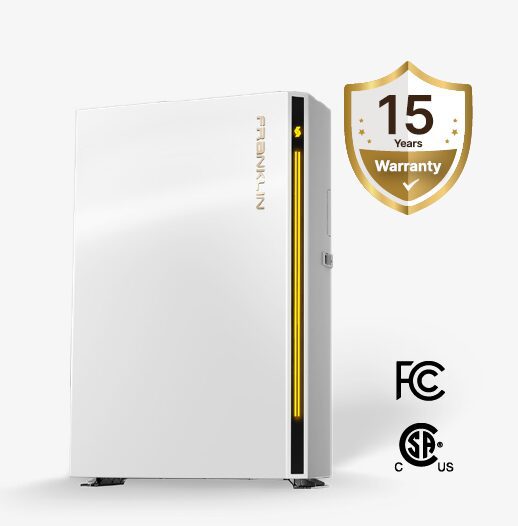
Franklin WH aPowerS battery
Franklin recently introduced their new aPowerS battery. This is effectively an aPower2 battery with a built-in solar inverter. Thus, the aPowerS is now capable of supporting solar directly. A solar system with the aPowerS will run about 5% less cost overall than an Enphase solar system with the aPower2. Both are great options.
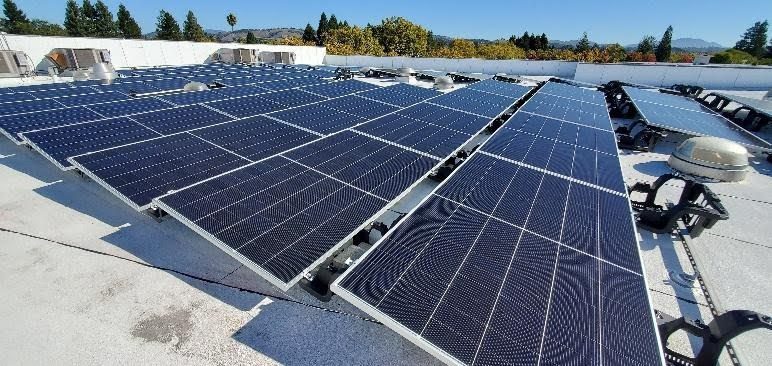
Small commercial solar installation on flat rolled comp roof
Santa Rosa, CA
Enphase IQ8P-3P Three phase, 208VAC inverters
Ironridge BX ballasted flat roof mounting system
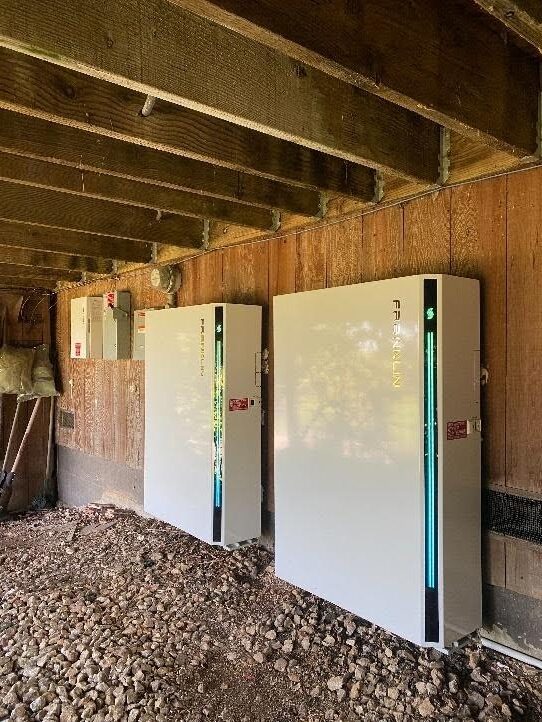
Residential battery and inverter upgrade to existing ground mount solar system
Kewood, CA
Franklin WH aPower2 battery/inverter. Customer had an existing ground mount solar system with failing inverters. We upgraded system with the new Franklin aPower 2 batteries to replace the existing solar inverters, provide backup power, and to maintain the existing NEM status.
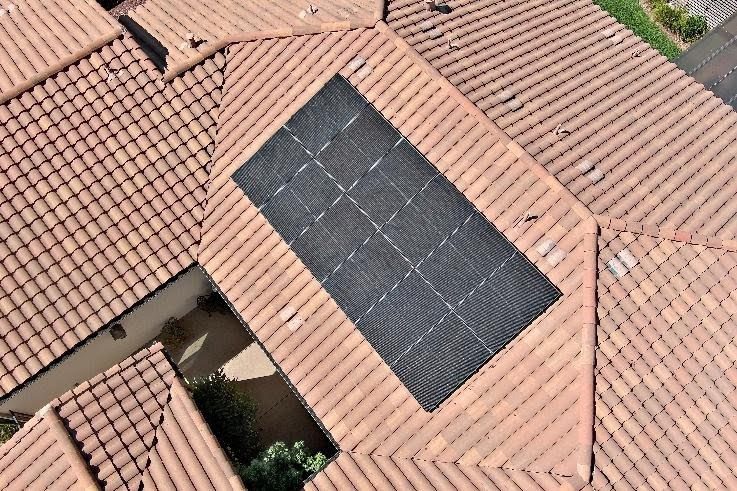
Residential solar & battery system on S-tile roof
Santa Rosa, CA
Mission Solar 435W panels, Enphase IQ8AC inverters, Enphase IQ10C batteries