 Solar Company
Direct Answer
Homeowners searching for solar system repair near me in Santa Rosa, CA are usually dealing with an inverter fault, a wiring issue, or an unexpected output drop, often worsened by wildfire smoke or Public Safety Power Shutoff (PSPS) cycling. Suntegrity Solar recommends starting with a full diagnostic inspection rather than DIY cleaning. A fast, local diagnostic is usually what keeps a small issue from turning into weeks of higher electric bills.
Diagnostic inspections start around $150 to $350, more if hidden issues turn up.
- A calendar-based annual inspection isn’t a hard rule for every system anymore.
- Sonoma County requires roof-mounted solar to meet fire safety access pathway rules for panel placement.
- Never pressure wash or use chemical cleaners on panels.
- For many homeowners, permitting and utility interconnection sign-off add more downtime than the repair work itself.
Introduction
If your solar system in Santa Rosa is throwing an inverter error code or your electric bill just spiked, you’re probably not imagining it. Local homes from the West End to Rincon Valley deal with a specific mix of wildfire smoke, PSPS cycling, and hillside debris that generic solar advice rarely accounts for. Suntegrity Solar has diagnosed these patterns across Sonoma County for years, and getting the right solar system repair near me starts with understanding what’s actually happening to your hardware, not just guessing based on the symptom you can see.
Why Santa Rosa Solar Systems Fail: Smoke, PSPS, and Soiling
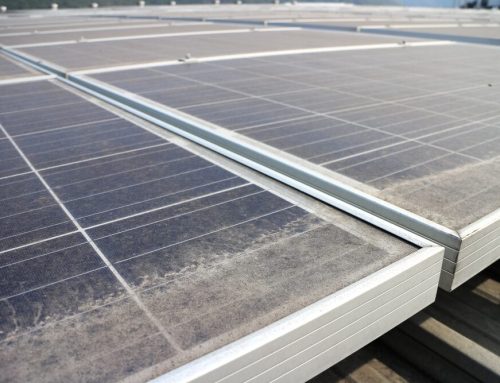
Wildfire season, typically August through October, deposits ash and dust across roofs in neighborhoods near the hills. That soiling often mimics the symptoms of a failing inverter or a wiring fault, so a proper diagnostic has to rule out ash before condemning any hardware. Homes near hillside areas such as Rincon Valley may see heavier ash and debris accumulation following wildfire events than homes in flatter parts of town, which can make output drops more noticeable there. On top of that, frequent PSPS events force grid-tied inverters through repeated shutdown and restart cycles. This is by design: utility safety rules require grid-tied solar to automatically shut down during a PSPS event so utility crews can safely work on de-energized lines, and that cycling adds a wear pattern on top of ordinary soiling.
Fountaingrove’s wildland-adjacent location adds its own fire safety pathway requirements to panel work, which the next few sections cover in more detail. Most guides treat panel soiling as a simple cleaning fix. The bigger risk is skipping the diagnostic step and assuming dust is always the cause, when the fix that actually restores output might be a wiring check instead.
How Professionals Diagnose Solar Repairs
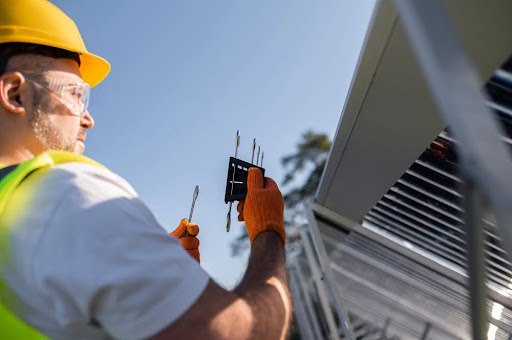
Because soiling and PSPS wear can look identical to hardware failure on the surface, technicians follow a specific order of tests rather than guessing from the symptom alone. During a repair appointment, that usually starts with the inverter’s production logs and monitoring history before anyone climbs onto the roof. A thorough diagnostic generally includes:
- Inverter production logs to compare recent output against the system’s historical baseline.
- String-level testing to isolate which panel string is underperforming.
- Voltage testing to check for wiring faults, loose connections, or degraded connectors.
- IV curve testing to identify panel-level issues like microcracks or cell degradation.
- Thermal imaging to spot hot spots that indicate a failing cell, connection, or bypass diode.
Working through logs and testing in this order usually narrows down whether the fix is a cleaning, a wiring repair, or an inverter or panel replacement, rather than defaulting to the most expensive option first.
Inverter Troubleshooting: Rethinking the Annual Inspection Rule
Manufacturer guidance still generally recommends periodic inspections for solar systems. Alongside that, some solar contractors now recommend condition-based maintenance for systems equipped with modern monitoring software, since those systems can self-report faults in real time. A system with a clean PSPS season and no soiling alerts may need less hands-on attention that year than a fixed calendar visit would assume. In practice, this often means homeowners follow both manufacturer recommendations and installer guidance, using monitoring alerts, the first major smoke event, or the first winter storm as natural check points alongside any scheduled visit.
- Monitoring apps from manufacturers like Enphase and SolarEdge can flag inverter faults before a technician visit is needed.
- PSPS-heavy years may justify more frequent inverter checks than calmer years.
Logging your own PSPS event history is worth doing, since insurers and installers don’t typically track shutoff frequency per address the way a homeowner can. That log can help you and your installer decide together whether a scheduled visit is worth moving up or pushing back.
Wiring, Conduit, and Permit Compliance
Sonoma County’s building department requires roof-mounted solar work to meet California State Fire Marshal access pathway standards, which affects where replacement panels can be placed and how conduit gets routed, particularly in wildland-adjacent areas like Fountaingrove. Under the county’s fire code, this generally means a minimum of 3 feet of clear pathway at roof edges, valleys, and hips unless the fire marshal waives it in writing.
Separately, California’s Solar Rights Act, as amended by AB 2188, requires cities and counties to maintain an expedited, streamlined permitting process for small residential rooftop solar systems (10 kW or less), including a single-inspection requirement instead of multiple pre-inspections. That expedited process was built primarily around new installations, but many jurisdictions apply the same streamlined checklist to panel or inverter replacement work that requires a new permit, which is why confirming your contractor’s permitting path matters even for a repair.
- Fire safety pathway compliance affects where replacement panels can go.
- Expedited permitting under the Solar Rights Act and AB 2188 can shorten wait times when the paperwork is filed correctly.
- Some legacy wiring in older West End homes may need upgrading during a panel swap.
One of the more common mistakes homeowners make is never asking which permitting path their contractor plans to use. Confirm this in writing before signing a repair contract, since the difference between a standard filing and an expedited one can change your timeline by weeks.
Finding a Trusted Local Solar Company and Protecting Your Investment
Once the diagnostic and permitting path are sorted, the remaining variable is who does the actual work. In California, solar installation and repair work generally falls under a C-10 (electrical) or C-46 (solar) contractor license, so verifying a contractor’s license number with the California Contractors State License Board before signing anything is worth the five minutes it takes.
- Confirm the contractor’s C-10 or C-46 license number directly with the CSLB, not just on their website.
- Ask what workmanship warranty applies to the repair itself, separate from the manufacturer’s equipment warranty on the parts.
- Check whether recent reviews mention repeat visits for the same issue, which can signal a diagnostic shortcut rather than a full fix.
- If backup power during PSPS events is a priority, ask whether an energy storage add-on like a Tesla Powerwall makes sense to evaluate during the same repair visit.
Get Your Santa Rosa Solar System Back Online
Suntegrity Solar handles diagnostics, permitting, and repair for homes across Santa Rosa. Learn more about our team or see why we’re a trusted Sonoma County solar company. Request a repair quote today and get a written timeline, including which permitting path applies, before work begins.